Products, Ingredients, Quality & What to Look For
CBD basics starts with CBD – short for cannabidiol, is a naturally occurring cannabinoid found in hemp.
Over the past several years, CBD has become a familiar ingredient in a wide variety of wellness products, including oils, gummies, creams, balms, sticks, and other topical formulations.
As interest in hemp-derived products has grown, so has the number of available product types, concentrations, ingredients, and formulations. Understanding the basics can help you make a more informed decision about which type of CBD product best fits your preferences and everyday wellness routine.
What Is CBD?
CBD, or cannabidiol, is one of many naturally occurring cannabinoids found in hemp.
CBD is different from THC, or tetrahydrocannabinol, the cannabinoid most commonly associated with the intoxicating effects of marijuana.
Hemp-derived CBD products can vary significantly in cannabinoid composition, concentration, ingredients, and intended method of use.
For that reason, it is important to review the individual product label rather than assuming that all CBD products are the same.
Full-Spectrum, Broad-Spectrum, and CBD Isolate
When learning CBD basics – knowing the three types of hemp-derived ingredients is essential.
Full-spectrum hemp extract contains CBD along with other naturally occurring compounds from the hemp plant.
Depending on the formulation, these may include additional cannabinoids, terpenes, flavonoids, and other plant compounds.
Broad-spectrum products contain CBD along with other hemp-derived compounds but are processed differently from full-spectrum products.
Because formulations vary by manufacturer, review the individual product specifications for complete cannabinoid information.
CBD Isolate
CBD isolate contains isolated cannabidiol rather than the broader range of compounds found in full-spectrum or broad-spectrum hemp extracts.
Each formulation offers a different product experience, so choosing among them is largely a matter of ingredient preference and individual product characteristics.
Different Types of CBD Products
CBD is available in several formats, each with its own practical advantages.
CBD Oils
CBD oils and hemp extracts are liquid products typically measured with a dropper.
They are available in different concentrations, flavors, and extract types.
Always review the serving size and CBD content on the current product label.
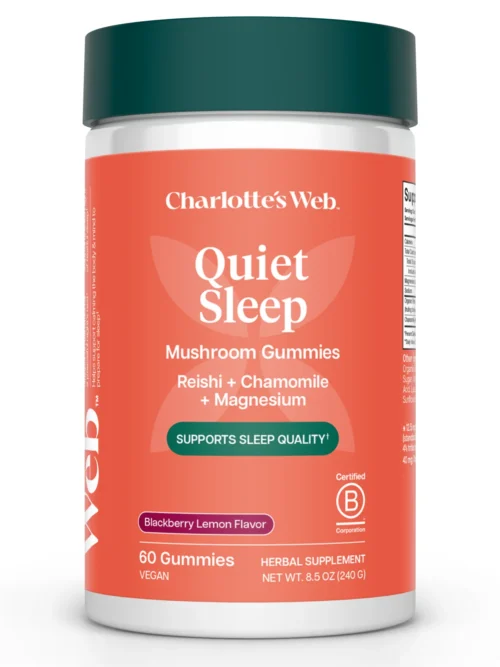
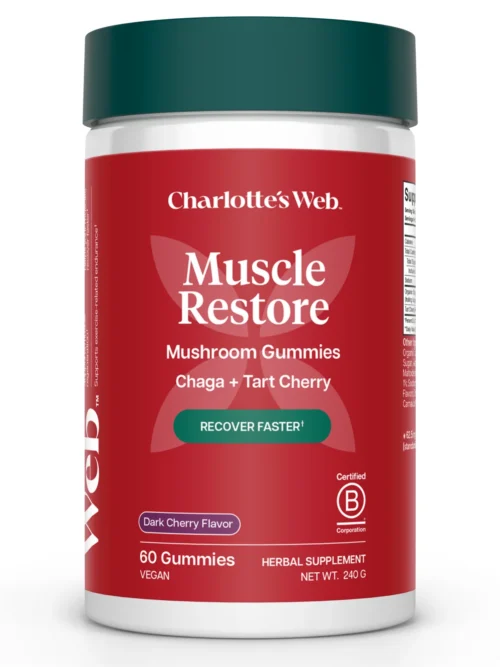
CBD Gummies
CBD gummies provide a convenient, pre-measured format.
Depending on the product, gummies may also contain additional ingredients such as lemon balm, ginger, turmeric, melatonin, or other botanicals.
Because formulations vary, check the ingredient list and serving information for the specific product.
CBD Creams and Balms
Topical CBD products are designed for external application.
Creams and balms may also contain moisturizing ingredients, botanical oils, emollients, menthol, camphor, or other components depending on the formula.
CBD Sticks
CBD sticks provide a convenient, no-mess method of application.
Their solid format makes them easy to carry in a gym bag, work bag, purse, or luggage.
CBD Massage Oils and Creams
Massage products are formulated to provide additional glide during massage or body-care routines.
These products may combine hemp-derived CBD with botanical oils, emollients, menthol, camphor, or other topical ingredients.
What Should You Look for in a CBD Product?
With so many CBD products available, it helps to compare a few important characteristics before buying.
Clearly Stated CBD Content
The product should clearly identify how much CBD or hemp extract it contains.
Pay attention to whether the amount is listed per serving, per application, or for the entire package.
Determine whether the product contains full-spectrum hemp extract, broad-spectrum hemp extract, or CBD isolate.
Complete Ingredient List
CBD is usually only one ingredient in the finished product.
Review the complete ingredient list, particularly for gummies, supplements, and topical products that may contain additional botanical or active ingredients.
Manufacturer Testing
Look for manufacturers that provide testing information or certificates of analysis documenting cannabinoid content and other product specifications.
Brand Transparency
Consider the manufacturer’s hemp sourcing, quality-control practices, production standards, and willingness to provide detailed product information.
Why Product Quality Matters
Not every CBD product is produced to the same standards.
Reputable manufacturers typically emphasize ingredient sourcing, manufacturing controls, testing, and consistency.
Health Essentials Cape and Islands selects established brands such as Charlotte’s Web and CBD Clinic because quality, ingredient transparency, testing, and manufacturing standards are important considerations when selecting hemp-derived products.
We encourage customers to review the manufacturer’s current product documentation, ingredient information, serving directions, and available testing before purchasing.
CBD and the Endocannabinoid System
The human body has an endocannabinoid system, often abbreviated as ECS.
The ECS is involved in a variety of normal physiological processes and includes naturally occurring signaling molecules, receptors, and enzymes.
CBD has been studied for how it interacts with components of the endocannabinoid system and other biological pathways.
Research in this area is ongoing, and the presence of scientific research does not mean that CBD should be represented as a treatment for a particular disease or medical condition.
What Research About CBD Means
CBD continues to be studied in a variety of scientific and clinical settings.
Research may examine how CBD interacts with biological systems, how different formulations behave in the body, and how hemp-derived compounds might be used in different contexts.
However, preliminary research, laboratory studies, animal studies, and small clinical studies should not automatically be interpreted as proof that over-the-counter CBD products diagnose, treat, cure, mitigate, or prevent a disease.
Consumers should be cautious about websites or product descriptions that turn early research into broad medical promises.
CBD Is Not a Substitute for Medical Care
CBD should not be used as a substitute for diagnosis, prescription medication, or treatment recommended by a qualified healthcare professional.
If you are taking medications, are pregnant or nursing, have an existing medical condition, or have questions about whether a CBD product is appropriate for you, consult your healthcare professional before use.
Do not discontinue or change prescribed treatment because you have started using a hemp-derived product unless your healthcare provider specifically advises you to do so.
Rather than selecting a CBD product based on claims about a particular medical condition, consider practical factors such as:
- Preferred product format
- CBD concentration
- Full-spectrum, broad-spectrum, or isolate formulation
- Added botanical ingredients
- Flavor
- Texture
- Portability
- Ease of use
- Manufacturer testing
- Product transparency
A product that fits easily into your normal routine may be more useful to you than one chosen based on exaggerated health claims.
CBD has become a significant part of the modern hemp and wellness marketplace.
The best way to approach it is with realistic expectations and good product information.
Look for clear labeling, reputable manufacturing, transparent testing, appropriate directions, and formulations that match your preferences.
Health Essentials Cape and Islands offers a carefully selected range of hemp-derived products in several formats so customers can compare ingredients, concentrations, and application options and choose what works best for their personal routine.
Always read and follow the current product label, serving directions, warnings, and ingredient information.
For dietary supplements, follow the manufacturer’s recommended serving.
For topical products, use only as directed.
For products displaying a Drug Facts label, refer to the labeled active ingredients, uses, warnings, and directions.
Consult a healthcare professional if you have questions about using CBD or hemp-derived products, particularly if you take medication or have an existing medical condition.
Product Disclaimer
The information on this page is provided for general educational and product information and is not medical advice.
Nothing on this page is intended to represent CBD or hemp extract as diagnosing, treating, curing, mitigating, or preventing any disease or medical condition.